Start with the chain, not the gadget
Norvevaultmang is an independent information site about smart agricultural irrigation infrastructure. Its central idea is simple: a controller is one part of a larger process. A soil observation or weather record informs a decision; a schedule directs a pump and valve; distribution equipment carries water; field observations help confirm what happened. Each stage has limits that should be visible to the people managing it.
We write for growers, farm managers, students and agricultural learners who want practical explanations without a promise that one device or method fits every setting. Soil, crop, climate, water source, equipment and local rules differ. Guidance needs to respect those differences instead of suggesting that a single threshold or product solves every problem.
What the field ledger means
A ledger is a record that links decisions to observations. For irrigation, that can mean keeping track of sensor locations and depths, irrigation zones, operating events, rainfall, maintenance, field checks and changes to a schedule. The record is useful when it makes a decision explainable: what information was considered, what action was taken and what was observed afterward.
This is not a claim that every farm needs complex data systems. A clear paper note, a marked map and a consistent inspection routine may be a more appropriate starting point than a new dashboard. Technology earns its place when it helps people ask better questions, operate equipment reliably or notice a change that would otherwise be missed.
How we approach evidence
Our guides distinguish measurements from estimates, planned actions from verified delivery, and general principles from local recommendations. We point readers toward established technical references and extension resources, while encouraging them to check editions, methods and local conditions. Standards and publications can guide design or testing, but their application still depends on the relevant system and circumstances.
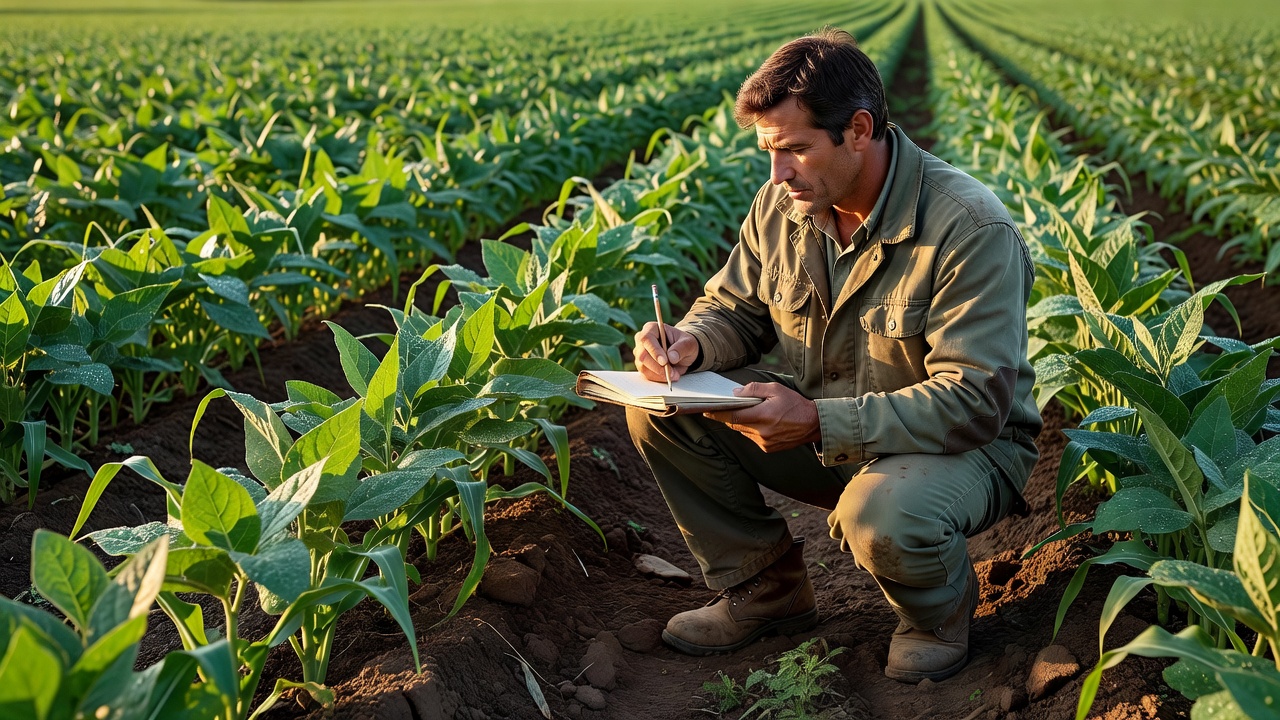
We avoid guaranteed water savings, yield outcomes and universal prescriptions. Results depend on many interacting factors, including the crop, soil, weather, infrastructure, maintenance and operator decisions. A field check is not a minor afterthought; it is what connects a digital record to a physical place.
Explore and ask
Start with sensing if you are deciding what to measure. Read the distribution guide if water does not appear to reach the intended place. Use the scheduling guide to understand automation and local constraints. The maintenance guide offers a practical structure for inspections and verification. Our FAQ and source notes provide a quick route to further reading.
Questions, corrections and topic suggestions are welcome. The field-enquiry worksheet helps you prepare a plain-text note on your device; it does not submit or send messages. Use the Contact page for the worksheet and company details.